top of page


My Personal Story
The Perspectives That Shaped Me

The way I practice today has been shaped by more than my education and professional experience. It has been shaped by the many roles I've held throughout my life—student, educator, behavior analyst, and mother. Each perspective taught me something the others could not, and together they continue to influence how I partner with the individuals and families I serve.
I Was A Student
Long before I became a special education teacher or a BCBA, I was a student receiving special education services myself. I had an Individualized Education Program (IEP) from kindergarten through high school graduation and spent many years struggling to learn certain skills that seemed to come easily to my classmates. School often felt like something I was expected to endure rather than a place where I could succeed. I remember the frustration of working harder than those around me and still feeling like I wasn't measuring up. Looking back, those experiences gave me something no degree ever could—the ability to understand what it feels like to be the student sitting on the other side of the table. Today, that perspective reminds me that every individual deserves to be seen for their strengths, not simply measured by the skills they have yet to master.


I Became An Educator
My career in special education began unexpectedly. While saving money to open a dance studio, I accepted a position as a kindergarten teaching assistant, believing my experience teaching dance would make the transition an easy one. Instead, I found myself supporting a student with significant behavioral needs. Although the work was challenging, I discovered that I genuinely enjoyed solving difficult problems and helping students succeed in ways others thought might not be possible. That experience led to an opportunity to become a special education assistant in Fairfax County Public Schools, where I spent several years working alongside exceptional teachers and receiving invaluable mentorship from the school's BCBA. During that time, I noticed a pattern that would shape the rest of my career: every classroom seemed to have one student who wasn't making the progress everyone hoped for. Rather than accepting that as inevitable, I found myself asking why. I became convinced that if we could better understand the reasons behind a student's challenges, we could better support their success.
That question ultimately led me to earn my degree in special education from The Ohio State University, where I focused on moderate to severe disabilities and deepened my understanding of evidence-based instruction, classroom management, and disability rights. After returning to Fairfax County Public Schools as a special education teacher, my perspective continued to evolve. I came to appreciate not only the incredible dedication of educators, but also the realities and limitations they face every day. Over time, my focus expanded beyond helping students succeed in the classroom. I became increasingly interested in developing the communication, independence, and daily living skills that would improve their quality of life long after they left school. Those experiences continue to influence how I approach every individual and family I serve today.
I Am A Mom
Becoming a mother gave me an entirely new perspective on the families I had spent years supporting. From an early age, I recognized behaviors in my own children that reminded me of students I had worked with professionally. As they approached kindergarten, I sought evaluations and support, only to discover firsthand how difficult it can be for families to access the services they need before challenges become overwhelming. Like many parents, I found myself trying to balance work, family, and the hope that I could manage everything on my own. I did my best to handle the issues I saw developing at home, thinking that with my training and experience, I should be able to manage it. But it turns out, even with the best training and previous personal experience as a special education student, nothing could prepare me for the job of mom.
Trying to work full time and manage all of the needs of my kids was too much, and I found myself in a position where I realized I just couldn't do it all and my kids were suffering as a result. So I left teaching for a private BCBA job that offered more flexibility and an increase in time to support my children. Even with the job switch, I realized that I couldn't do it all on my own, and ended up searching for a BCBA to support my children just as I supported others.
That experience changed the way I view my role as a BCBA. I understand what it feels like to juggle appointments, navigate evaluations, question whether you're making the right decisions, and search for professionals you can truly trust. I also know how exhausting and overwhelming that process can be. Those experiences have deepened my respect for parents and strengthened my commitment to working alongside families as a partner. My goal is not simply to support the individual receiving services, but to help the entire family feel understood, empowered, and equipped for the journey ahead.
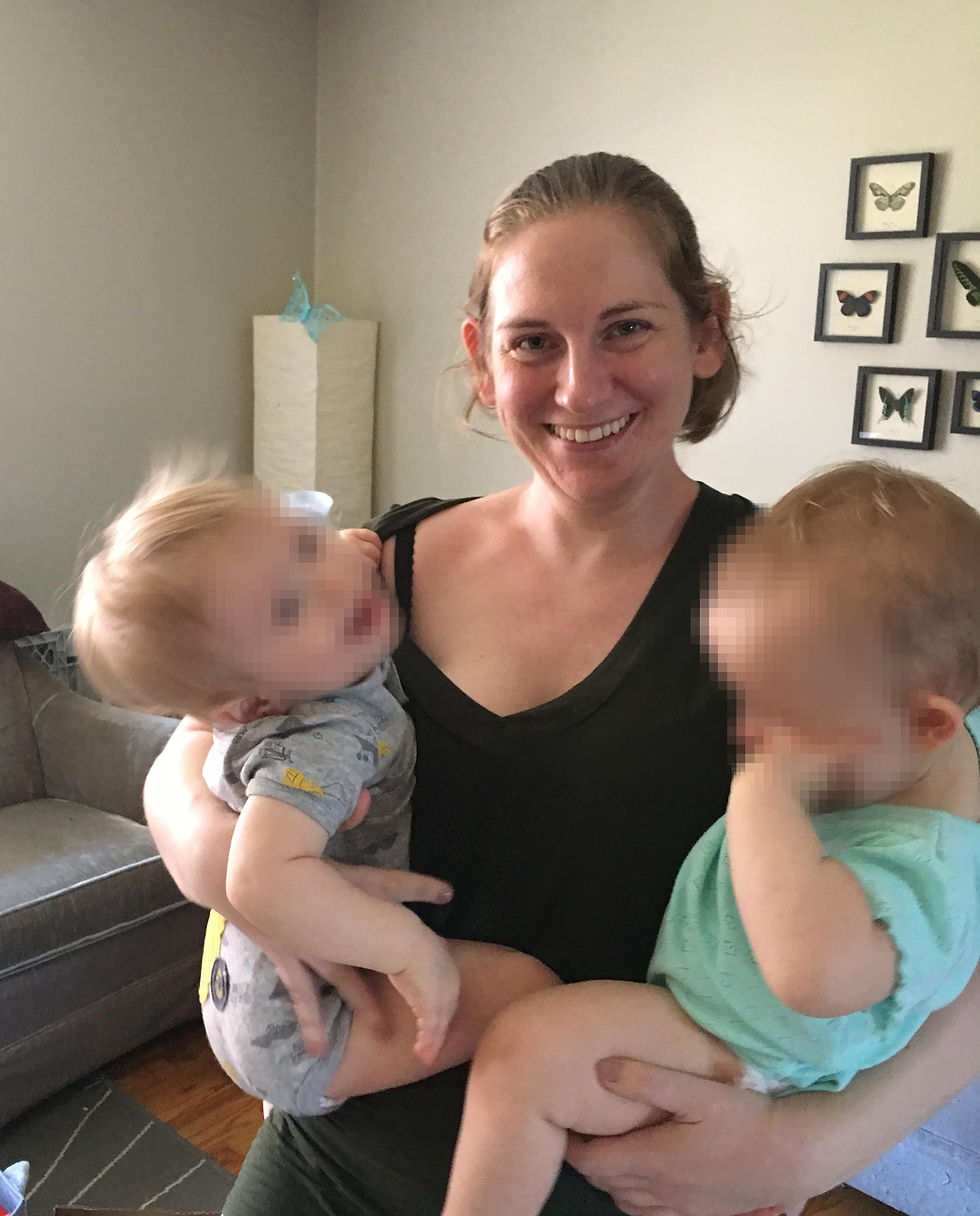


Living this journey from multiple perspectives changed the way I practice. I know what it feels like to receive special education services, to support students with significant needs, to navigate complex systems as a professional, and to search for help as a parent. Each role revealed a different piece of the picture.

bottom of page